

Published January 25, 2022
First-Time MN Home Buyer's Guide to Success: Do's and Don'ts When Buying a Home

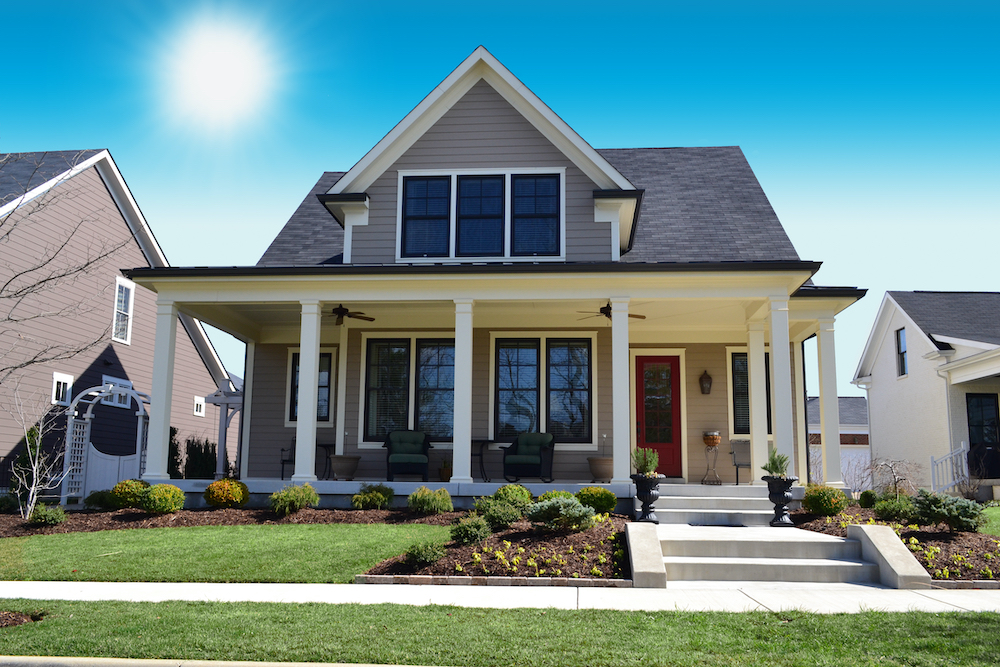
If the housing market could be summarized with one word, that word would be "unpredictable." Currently, we're experiencing a market where properties are higher in price than normal but interest rates on housing loans tend to be fairly low. However, all of that could change on a dime.
Because of the housing market's constant fluctuation, being a first-time home buyer can be extremely difficult. If you've never gone through the process of purchasing your own home before, it's tough to know what a fair price or a good interest rate is, especially when these things seem to change overnight. Fortunately, there are a few things that you can learn to make it easier for you to navigate the housing market as a first-time home buyer. Read on for Chris Fritch Team's home buyer guide!
Pro Tips For Buying a Home In Minnesota

Settle On Your Needs and Wants - There are probably about a million things you "want" out of your new house, but you should start by considering how many of those things you actually "need." Wants are nice features that would make a home more appealing to you but that you could live without. Examples of wants include a three-car garage, a swimming pool and a wine cellar. Meanwhile, needs are aspects of a home that are absolutely vital and non-negotiable to you. Examples of needs include enough bedrooms, and close access to a good hospital. Before you begin buying a home, make sure to list out your needs and your wants, and share them with your realtor to help narrow down the search.
Apply For Mortgage Preapproval - It would be a tragedy to settle on your dream house, only to find out you can't get approved for the loan you need and you won't be able to afford it. Pick out a lender and apply for mortgage preapproval. Lenders will look over your tax records, bank statements and credit score before deciding to approve you and informing you how much money they're willing to loan you. This will give you a better idea of your price range when buying a house, and will allow you to make a firm offer up front instead of forcing a seller to wait while you seek approval from a mortgage lender.
Keep Your Credit Score Up - If you're a first-time home buyer, it's important to maintain a respectable credit score. Home mortgage lenders will examine your credit score when you first apply for a loan, and will do so again when you close on your sale. If you suddenly take on another line of credit, you begin accruing credit card debt or you display other erratic financial tendencies, lenders may decide not to approve your loan. As long as you pay your bills on time and you don't suddenly begin spending above your budget, you should have no trouble maintaining a solid credit score and being approved for a home mortgage.
Learn About Loans - There are several different types of mortgage loans that you can apply for when buying a home. Which loan is best for you is dependent on your financial capital and the asking price of the house you're seeking to purchase. A conventional home mortgage may only ask for 3% down and is generally the cheapest option, provided you're making a consistent salary and not in debt. However, a conventional loan may require you to pay private mortgage insurance and it can be hard to get a conventional loan if you have a poor credit score. Thankfully, there are other options available if your credit score is inadequate. A Federal Housing Administration loan may be acquired with a credit score as low as 500, though you will also likely be forced to place a larger down payment than you would for a conventional loan. If you're purchasing a home in the suburbs or a rural area, your best bet might be a US Department of Agriculture loan, which requires no down payment as long as you meet certain income requirements.
Calculate Your Budget - Buying a house is expensive, and first-time house buyers might not realize just how expensive it is until it's too late and they're drastically over budget. Before you make your offer on a home of your choice, it would be wise to determine your budget, and be sure that you stick to it when calculating the costs of the home you want. Start by calculating your down payment and closing costs. Remember that closing costs will include any realtor fees, attorney fees and home inspection fees. You also need to determine how much of your mortgage loan you'll be paying off each month. Be sure that you can afford to do so comfortably with your current salary. If buying a home will require you to pay more than your calculated budget, it's not a wise purchase.
Work With the Right Real Estate Agent - Perhaps the most crucial tip in our home buyer guide is to hire a fantastic real estate agent. Good realtors will know all the ins and outs of the area where you're looking to buy a home. They'll be able to recommend the best neighborhoods for your needs while staying within your budget. Your real estate agent can help you choose the perfect house, and then help you offer the right amount if you're interested. Your realtor can also negotiate with the seller's real estate agent to get the best possible price for you. And when it comes time to close, a realtor will make sure you've been given everything you negotiated for. If you try to purchase a home without a good realtor in your corner, you may have a hard time finding the right property and you also might be taken advantage of by the seller and their realtor, who could easily upcharge you if you don't know much about the standard costs of buying a house.
Experienced Realtors in the Twin Cities
If you're a first-time home buyer moving to the Twin Cities, you should rely on a team of local real estate agents who can help you pick the perfect house. Get in touch with Chris Fritch Team at eXp Realty today for proficient home buying assistance in the Minneapolis-St. Paul metro area!


