

Published January 27, 2022
How Much of a Down Payment Do You Need For a MN Home Purchase?

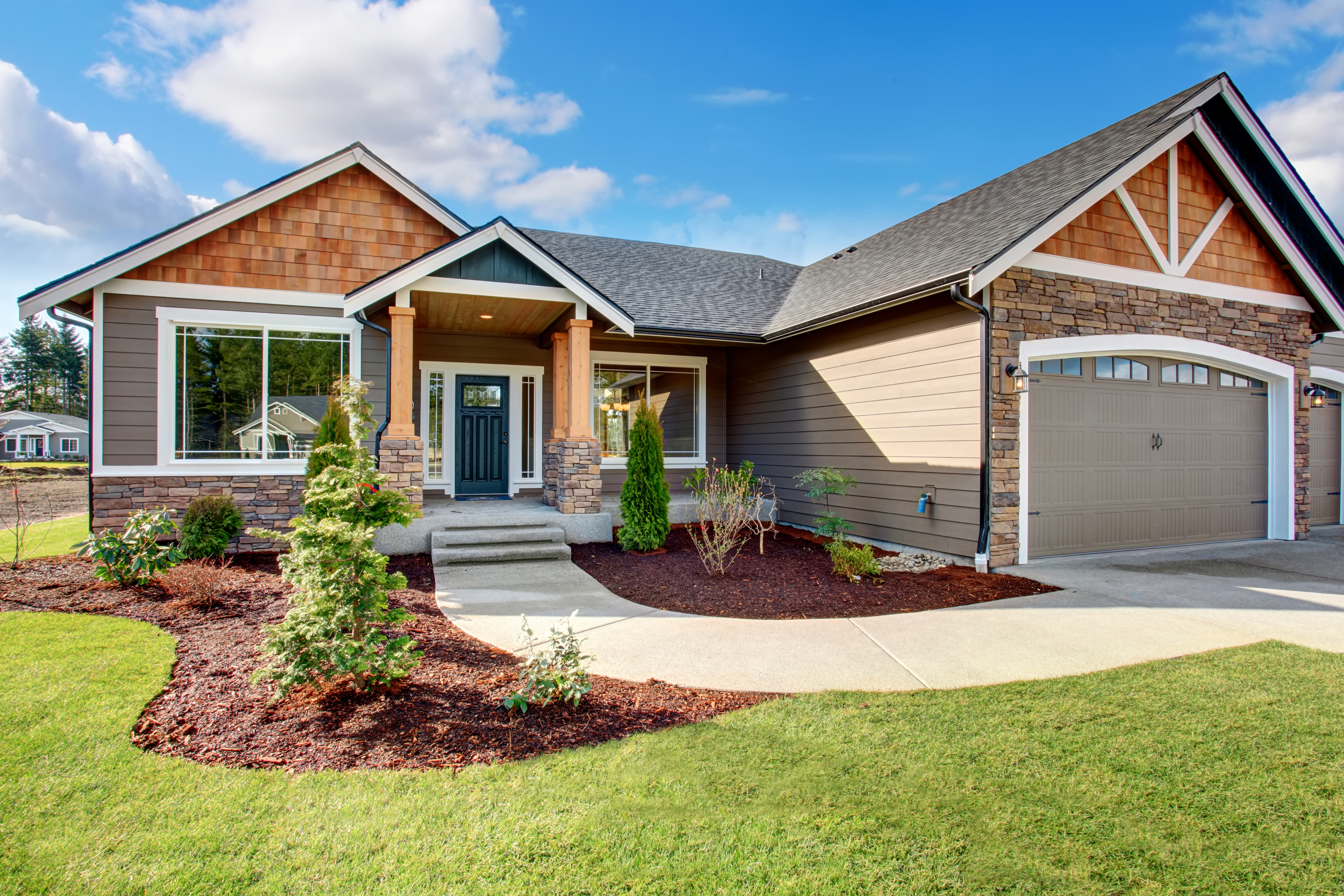
You've decided that it's time to buy a house. Maybe you're tired of living in an apartment and you want more space. Maybe you're sick of the local scenery and you want to move somewhere with new sights. Maybe you need to move to a different state for your brand new job. There are lots of reasons to buy a new house, and deciding to buy is just the first step.
Your next challenge is finding a house that suits all of your wants and needs. Everyone has their own priorities when buying a home. Most people want to live somewhere that's convenient. If you have to travel long-distance for business, close access to an airport or train station may be a necessity. Even after you've located the perfect home, one big question remains: "How much of a down payment do I need to buy that house?"
There are many factors to consider when placing a down payment for home purchase. Read on for some advice from Chris Fritch Team on how to choose the right mortgage plan and make a house down payment!
Making the Right Down Payment When Buying a Home
The expense of a house down payment will depend on the total cost of the home you are buying. Let's say you want to purchase a house that costs exactly $500,000. A 10% down payment would mean you're paying $50,000 up front for the house. If you don't have that kind of money, you could offer a smaller down payment of 3%, which comes out to $15,000.
The larger your down payment, the less you'll end up paying in monthly mortgage fees. The key when making a down payment for home purchase is to stay within your budget. While it can be advantageous to make a large down payment so as to lower your fees down the line, it's not worth blowing all your savings to do so.
Unless you're flush with cash, odds are high that you're going to be taking out a home mortgage loan in order to purchase your new house. There are many different mortgage plans available and each one may require a different down payment percentage. Here are some of the common ones:
Conventional Loans - If you apply for a conventional home mortgage loan, there may not be a required down payment percentage. However, more often than not, lenders who provide conventional loans will require you to pay private mortgage insurance unless you make a down payment of at least 20% of the home's total cost. Forcing you to pay private mortgage insurance protects the lender in the event that you default on the home loan. If you don't think you can afford to pay 20% of the home purchase price up front and you're nervous about paying monthly private mortgage insurance, there are other loan options available.
FHA Loans - If you're a first time home owner, have a relatively low credit score or don't have the financial resources to make a sizable down payment, then acquiring a loan from the Federal Housing Administration might be the best choice for you. The FHA only requires a credit score of 580 to apply for a home mortgage loan, which is a lower score than most conventional lenders will require. Additionally, FHA loans only require you to make a down payment of 3.5% the price of the house. This might allow you to purchase a much more expensive home than you would be able to with a conventional loan that requires a heftier down payment.
USDA Loans - If you're trying to live in a city, unfortunately, you won't be able to apply for one of these loans. However, if you're purchasing a home in a suburban or rural area, then a loan from the US Department of Agriculture might be perfect for you. USDA mortgage loans require no down payment for home purchase, which can be extremely helpful if you're worried about spending a lot of money upfront to buy a home. When applying for a USDA loan, keep in mind that the USDA prioritizes homeowners who are moving out of an unsafe neighborhood or don't meet the qualifications for most other loans, and that they normally offer loans for small houses.
VA Loans - This is a type of loan which you can only qualify for if you're an active-duty military service member, a veteran of military service or, if certain conditions are met, a military spouse. If you do qualify for a loan from the US Department of Veterans Affairs, you won't need to place any house down payment when purchasing a new home. Because the government will reimburse VA lenders if the borrower fails to make payments, VA loans do not require mortgage insurance either. There's also no credit score requirement, although private lenders of VA loans may have their own required credit score.
The Most Knowledgable Realtors in the Twin Cities
If you're unsure how much of a house down payment you should pay or which mortgage you should apply for, you should rely on a savvy team of local realtors who can help you out with everything. Contact Chris Fritch Team at eXp Realty today for exemplary home buying assistance in the Twin Cities metro area!


