

Published February 1, 2022
Mortgage Rates? PMI? Closing Costs? Explaining Home Buying & Selling Terminology

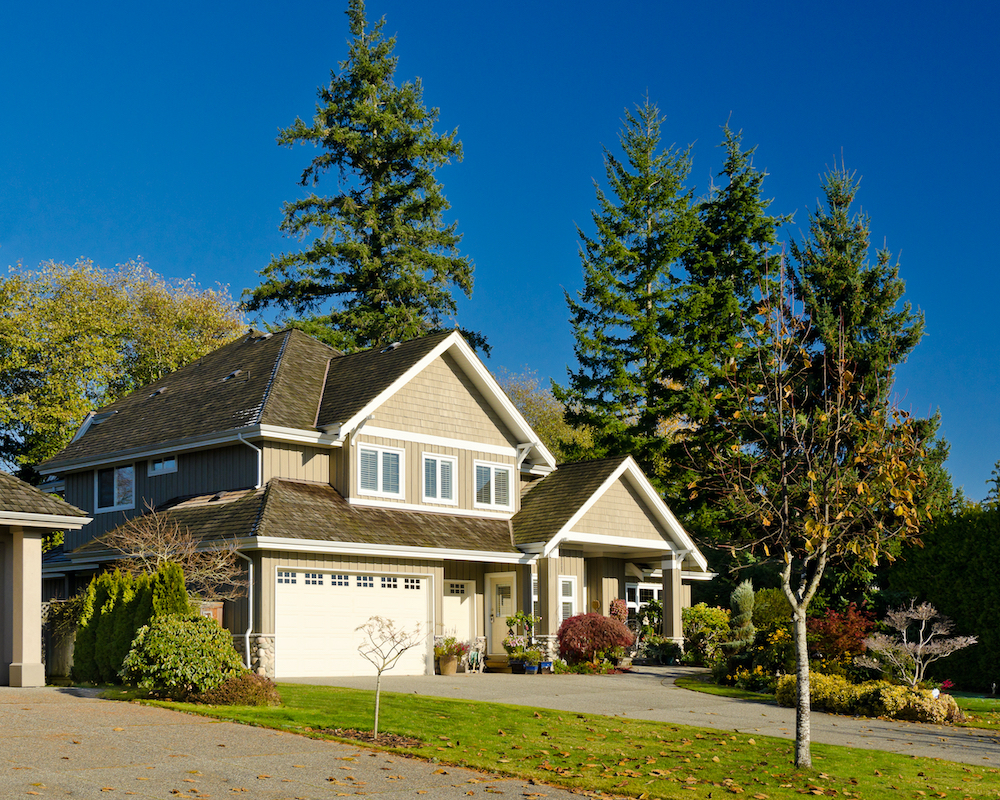
Maybe you're tired of the busyness of city life and you want to move to a quiet place in the suburbs. Maybe your apartment is too small for the new baby on the way so it's time to upgrade to something bigger. Or maybe you just really want to have your own lawn and garden. Everyone has a different reason for wanting to own their own home for the first time but it's always a huge life event.
 But buying a home isn't as simple as writing a big check. It's a process that takes a great deal of time and careful consideration, and there are many steps you have to take before you get to move into your new house. Once you start working with real estate agents, you'll hear them throwing around terms like "pre-approval" and "closing costs", and you'll probably find yourself thinking, "Just what are closing costs? What exactly do all of these terms actually mean?"
Read on to find out! The Chris Fritch Team has compiled a list of some vital home buying terminology that you need to know.
8 Must-Know Terms For Buying & Selling Homes
Mortgage Loans - Let's start with the easiest and most important of home buying terminology: mortgage loans. A mortgage loan is a sum of money that you borrow from a lender in order to buy a house. You'll have to pay off the loan with interest over time and, if you fail to repay the money, the lender can take your property. Unless you've just won the lottery, odds are that you're going to need to take out a mortgage from a bank or some other lender. There are many types of mortgages and many terms related to them which will be covered below.
Pre-Approval - When you start looking for a mortgage loan, you're sure to hear the term "pre-approval" mentioned. Pre-approval is a process by which you discover whether a particular lender will qualify you for a mortgage that you can use to buy the house you want. Applying for pre-approval can be beneficial, since you'll know beforehand whether or not you'll be able to secure the loan you need to purchase the house that your heart is set on. When you apply for pre-approval, a mortgage lender will review your credit score and income before sending you a letter informing you if you've been accepted and providing you with a period in which you can take out a mortgage from the lender.
Mortgage Rates - You can't talk about mortgage loans without also talking about mortgage rates. This is a crucial piece of home buying terminology, as a mortgage rate is the amount of monthly interest you'll be charged when paying back the mortgage you borrowed to buy your house. Interest rates vary greatly between lenders and are often dependent on your own credit score. That's why it's good to get pre-approved by a few different mortgage lenders so that you can compare their interest rates and choose which one is most suitable for your financial situation.
PMI - When you take out a conventional loan to buy a house, you'll often be required to pay for PMI. What is PMI? It stands for "private mortgage insurance." PMI reimburses the lender in the event that you fail to pay off your mortgage. Because PMI will add to your monthly mortgage payments, many home buyers prefer to avoid it. Generally, if you place a 20% down payment or more on a house, you won't be charged PMI. There are also many types of loans which never require PMI.
FHA & USDA - When you begin looking into mortgage loans, two types of loans you'll probably hear mentioned are "FHA" and "USDA". A FHA loan comes from the Federal Housing Administration. FHA loans are a great option for first time homeowners since they only require a credit score of 580 and a down payment of 3.5%, which is less than most conventional loans will necessitate. A USDA loan comes from the US Department of Agriculture. USDA loans are designed to encourage people to move out of the city and into more rural areas to prevent urban overcrowding. If you are trying to move out into the country, a USDA loan is a great option, since no down payment is required for a home purchase.
Buyer's Market & Seller's Market - Whether you're selling your home or trying to buy a new one, your real estate agent will probably start talking about whether it's a buyer's market or a seller's market. What this boils down to is whether or not housing supply exceeds demand in the area where you're moving to or from. If you're trying to buy a home in a very popular location, you'll find yourself in a seller's market; here, there are more people trying to move in than there are homes available, so home sellers can charge as much as they want and control all real estate transactions. On the other hand, if you're moving into an area that isn't very popular and there are more homes than there are people trying to move in, you're in luck; it's a buyer's market! In a buyer's market, home sellers are desperate to sell their property and you can enjoy much more control over pricing negotiations.
Down Payment - Normally, when you purchase a house, you'll need to make a down payment. This down payment is the first payment that you make out of your own bank account when you purchase a home on credit from a lender. The size of a down payment is usually up to you but you'll probably be required to put a certain amount of money down on a house to qualify for most loans. Most conventional loans will require you to make a down payment of at least 20% unless you want to pay PMI, while FHA loans require a substantially smaller down payment of 3.5%. On the other hand, if you qualify for a USDA or VA loan, you won't have to make any down payment at all!
Closing Costs - Of all the home buying and home selling terminology out there, "closing costs" is a term many are the most confused by. Closing costs are all of the expenses you'll have to pay when you finalize a real estate transaction. Both home buyers and sellers will usually have to pay closing costs at the time of closing. Common examples of closing costs include the down payment, commissions to realtors, mortgage application fees, attorney fees, insurance fees and home title fees. Buyers and sellers may negotiate who has to pay certain closing costs, but the buyer will always have to make the down payment.
Need Help Buying a Home in the Twin Cities?
If some of these home buying terms are still confusing to you or you're looking for help with purchasing a new house in the Twin Cities metro, you'll want to put your faith in an experienced team of local realtors. Get in contact with Chris Fritch Team at eXp Realty today for the best home buying assistance in the greater Minneapolis-St. Paul area!


